
Regenerative Medicine in Honolulu

Lawa Longevity offers injection-based procedures for eligible patients with selected musculoskeletal, nerve-related, or muscular concerns.

Your experience begins with a medical evaluation. Your provider will review your symptoms, health history, previous care, and available diagnostic information before determining whether a procedure may be appropriate.

Regenerative Medicine services at our Kaimukī Studio include PRP Procedures, Perineural Injection, and Trigger Point Injection.
Book Your Visit
BOOK NOW

Explore Available Procedures

Procedure What it involves
PRP Procedures A preparation made from a sample of your own blood and injected into a selected treatment area
Perineural Injection An injectable solution placed near selected superficial nerves or surrounding tissues
Trigger Point Injection An injection placed into a sensitive area within a muscle
These procedures are not appropriate for every person or every condition. A consultation is required to determine eligibility and discuss other available options.

Who Regenerative Medicine May Be For

Lawa’s Regenerative Medicine services may be considered for adults with selected musculoskeletal, nerve-related, or muscular concerns.


An evaluation may be appropriate if you:

  • Have a persistent musculoskeletal concern that requires medical review
  • Want to discuss whether a PRP procedure may be appropriate
  • Have symptoms that may involve a sensitive or irritated nerve
  • Have a localized area of muscular tenderness or a suspected trigger point
  • Want to understand injection-based options and their limitations
  • Have previous records, imaging, or treatment information that may help guide an evaluation

Experiencing pain or physical limitation does not automatically mean that an injection is appropriate. Your provider must evaluate the likely source of your symptoms and discuss potential risks, limitations, alternatives, and expected follow-up before recommending a procedure.


A Consultation Comes First

Injection procedures should be recommended only after an appropriate medical evaluation.


Your provider will ask about your symptoms, how they affect daily activity, previous treatments, current medications, and relevant medical conditions. Existing laboratory results, imaging, or medical records may also be reviewed when appropriate.


Your consultation may include:

  • Discussion of your current symptoms
  • Review of your health and treatment history
  • Physical evaluation of the area of concern
  • Review of relevant diagnostic information
  • Discussion of potential benefits and limitations
  • Consideration of alternative care options

A consultation does not guarantee that a procedure will be recommended.

PRP Procedures

A Procedure Using Your Own Blood

Platelet-rich plasma, commonly called PRP, is prepared from a sample of your own blood.


The blood sample is processed to separate and concentrate platelets within a portion of the plasma. The resulting preparation is then injected into the selected treatment area.


PRP contains platelets and associated growth factors involved in the body’s normal healing processes. How PRP is prepared, where it is injected, and whether it is appropriate depend on the concern being evaluated.

What the Procedure May Involve
Step What happens
Blood collection A small sample of your blood is drawn
Preparation The sample is processed to separate the platelet-rich portion
Injection The PRP preparation is injected into the selected area
Follow-up Your provider explains activity guidance and follow-up care

The procedure area may feel sore afterward. Your provider will explain what to expect, which activities to modify, and when to seek medical attention.

Research on PRP varies by condition and treatment area. Results are not guaranteed, and PRP should not be presented as a proven treatment for every injury or musculoskeletal concern.
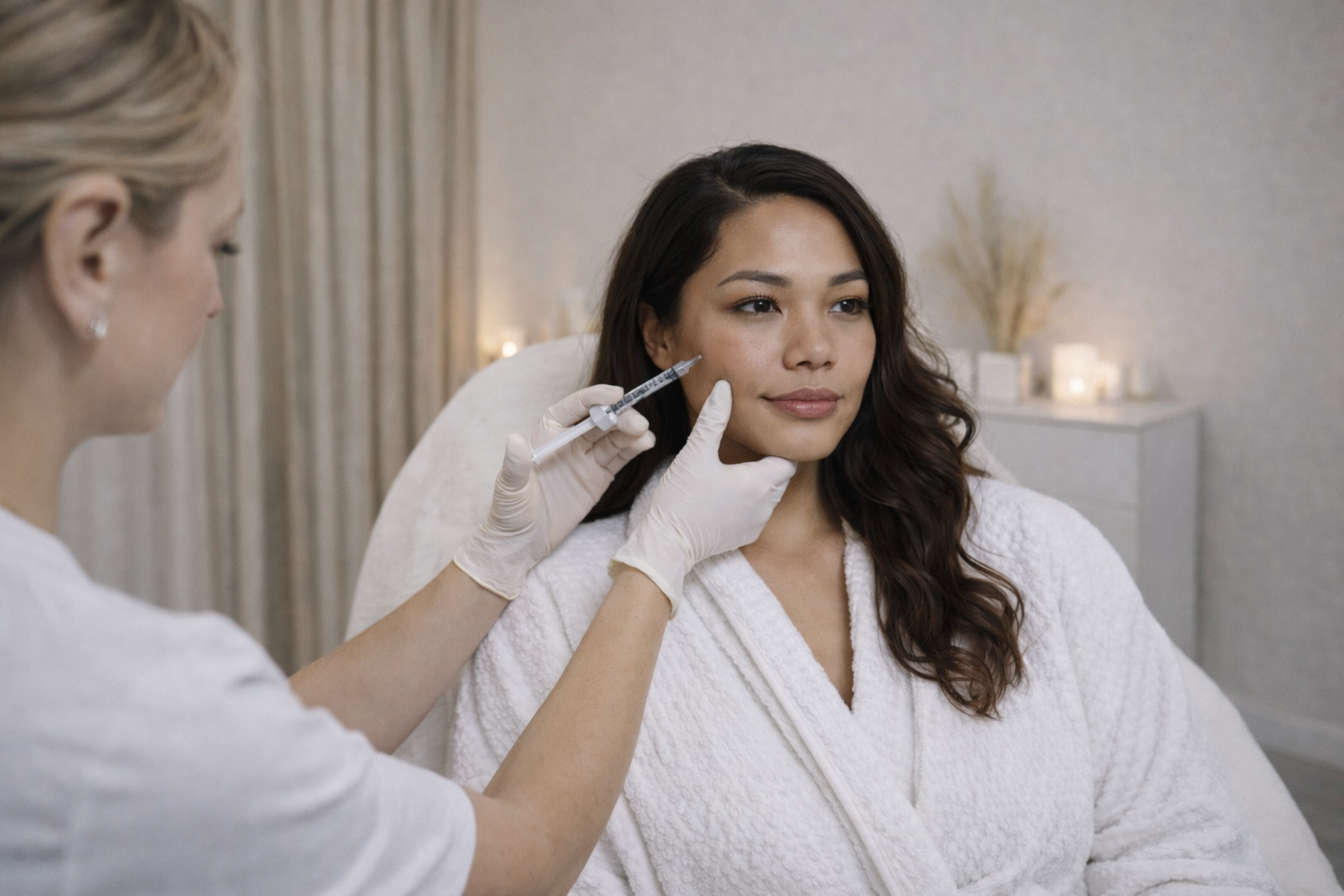
Perineural Injection

An Injection Near Selected Nerves

Perineural Injection involves placing an injectable solution near selected superficial nerves or surrounding tissues.


A provider may consider this procedure when an evaluation suggests that nerve-related irritation may be contributing to discomfort or sensitivity. The treatment area, injection technique, and solution used should be selected according to the provider’s assessment.


Your appointment may include:

  • Evaluation of the affected area
  • Identification of sensitive nerve pathways
  • One or more injections near selected areas
  • Observation following the procedure
  • Guidance about activity and follow-up care

The number of injections and appointments varies. Some people may experience temporary tenderness, bruising, or discomfort around an injection site.

Your provider will explain the solution being used, the reason it is being considered, and the available evidence before you consent to treatment.

Trigger Point Injection

Focused Care for Sensitive Areas Within Muscle

A trigger point is a sensitive area within a muscle that may feel tight or tender and may cause discomfort when pressed.


Trigger Point Injection places a small amount of an injectable solution into a selected trigger point. The solution used can vary, so your provider will explain what is being administered before the procedure.


Trigger point injections may be considered as one part of a broader care plan. Other recommendations may include physical therapy, movement changes, stretching, or additional medical evaluation.


A Trigger Point Injection visit may include:

  • Evaluation of the area of discomfort
  • Identification of selected trigger points
  • Cleaning of the treatment area
  • Injection into one or more points
  • Post-procedure movement or activity guidance

Temporary soreness, bruising, bleeding, or discomfort may occur at an injection site. More serious complications are uncommon but possible with any injection procedure.


Understanding the Differences

PRP Procedures Perineural Injection Trigger Point Injection
Uses a preparation made from your own blood Places a solution near selected nerves or surrounding tissues Places a solution into a sensitive area within a muscle
May be considered for selected musculoskeletal concerns May be considered when nerve-related irritation is suspected May be considered for selected muscular trigger points
Requires blood collection and processing Does not typically require a blood draw Does not typically require a blood draw
Recommendations depend on the treatment area and available evidence Recommendations depend on the nerve pathway and provider assessment Recommendations depend on the muscle involved and cause of symptoms
The most appropriate option cannot be selected from symptoms alone. A medical evaluation is needed to determine the likely source of the concern and whether an injection should be considered.

What to Expect

1. Medical Evaluation
Your provider reviews your symptoms, health history, previous treatments, medications, and available diagnostic information.
2. Procedure Recommendation
If an injection may be appropriate, your provider explains the procedure, expected limitations, possible risks, and other options.
3. Informed Consent
You will have an opportunity to ask questions before deciding whether to proceed. The procedure should not begin until you understand what is being administered and why it is being recommended.
4. Your Procedure
The treatment area is prepared, and the injection is performed using the technique selected by your provider.
5. Follow-Up Care
You will receive instructions about activity, treatment-area care, possible side effects, and follow-up. Additional appointments may be recommended based on your response and the provider’s assessment.

Preparing for an Injection Procedure

Tell your provider about all medications, supplements, allergies, and medical conditions before treatment.


You should also disclose:

  • Pregnancy or possible pregnancy
  • Bleeding or clotting conditions
  • Use of blood-thinning medication
  • Active infection or recent illness
  • Allergies to medications or antiseptics
  • Recent injections, procedures, or surgery

Do not stop prescribed medication unless the prescribing healthcare professional tells you to do so.

Your provider will give you preparation instructions based on the procedure being considered.

Explore Related Lawa Services

Regenerative Medicine may connect with other areas of care at Lawa. Recommendations depend on your evaluation and individual circumstances.
Related service How it may connect
Medical & Longevity Care Consultations, lab reviews, diagnostic testing, and body composition analysis
Movement, Performance & Recovery Physical therapy, strength training, massage, and recovery services
Whole-Person Support Nutrition and mental health consultations that can complement broader care
IV Infusions Physician-guided infusions available to eligible patients
Nutrient Injections Nutrient injection options offered following appropriate review

Frequently Asked Questions

What is regenerative medicine at Lawa Longevity?

Lawa’s current Regenerative Medicine services include PRP Procedures, Perineural Injection, and Trigger Point Injection. Each procedure has a different purpose and process. A provider must evaluate your concern before recommending an injection.

How is PRP prepared?

PRP is prepared from a sample of your own blood. The sample is processed to separate a platelet-rich portion of the plasma, which is then injected into the selected treatment area.

Preparation methods can vary. Your provider can explain the process used at Lawa before treatment.

What is the difference between a perineural injection and a trigger point injection?

A perineural injection places a solution near a selected nerve or surrounding tissue. A trigger point injection is placed into a sensitive area within a muscle.

The location and suspected source of your symptoms help your provider determine whether either procedure may be appropriate.

How many procedures will I need?

The number of appointments varies according to the procedure, treatment area, health concern, and individual response. Some patients may receive one procedure, while others may be advised to return for additional evaluation or treatment.

Your provider should discuss the proposed schedule before treatment begins.

What should I expect after an injection?

Temporary soreness, tenderness, bruising, or swelling may occur around an injection site. Activity guidance and recovery expectations vary by procedure.

Contact your provider if you experience worsening pain, increasing redness, unusual swelling, drainage, fever, new weakness or numbness, difficulty breathing, or another concerning symptom.

Discuss Your Options at Our Kaimukī Studio

Begin with a medical evaluation to determine whether an injection procedure may be appropriate for your needs.

Lawa Longevity

Kaimukī Plaza
3465 Waialae Avenue, Suite 200
Honolulu, HI 96816

Book Your Visit
BOOK NOW

Medical Disclaimer

The information on this page is provided for general educational purposes and is not a substitute for professional medical advice, diagnosis, or treatment. No injection procedure is appropriate for every person or condition. Potential benefits, limitations, risks, and alternatives should be discussed with a qualified healthcare professional before treatment. Seek appropriate medical attention for new, severe, persistent, or urgent symptoms.